Note 17
Are smelling salts bad for you?
A short inhale a few inches off the nose is the intended use. Lingering, daily stacking, or using them after a head hit is the problem.
Smelling salts are not automatically bad for you. A short inhale, a few inches off the nose, on an adult who knows what is in the bottle, is how they have been used on benches and platforms for a long time. They become a problem when you linger, stack hits for fun, use them after a head knock, or treat ammonia like a toy.
People also ask are smelling salts safe and smelling salts side effects. Those are the same page. Safety is dose and distance. Side effects are what you feel when you ignore both.
Are smelling salts safe?
Used as directed, most healthy adults tolerate them. “As directed” means: hold the bottle about four to six inches from the nose, take one short breath, and cap it. Mayo Clinic’s listing for aromatic ammonia spirit says the same thing in clinic language — do not inhale the fumes longer than directed, and keep the ampule away from eyes and skin.
They are not safe as a daily habit, a joke in a locker room, or a way to stay in a game after you got your bell rung. The NFL’s 2025 sideline restriction was about that last one. Ammonia can make a dazed player look briefly awake. A trainer then misses the exam that should have ended the night.
What smelling salts do to your body
Ammonia irritates the membranes in the nose and lungs. You inhale harder. Heart rate ticks up. Eyes water. That is what smelling salts do, and it is also the start of the side-effect list. The useful window is seconds. Poison Control notes the jolt usually shows up within about fifteen seconds and is gone within a minute.
Smelling salts side effects
The common ones, if you use the bottle like an adult:
- Burning in the nose and throat
- Watery eyes
- Coughing
- A brief head rush or light dizziness
The ones that show up when you hold the bottle under your nose, take hit after hit, or already have a lung problem:
- Worse asthma or airway irritation
- Chemical irritation or burns in the nose
- Headache
- Rarely, a serious allergic reaction
Prolonged, concentrated ammonia is a different chemical story than a gym bottle. Do not drink the contents. Do not put them in a drink. Do not sit with your face in the neck “to make sure.” If you get unexpected symptoms, Poison Control is 1-800-222-1222.
Who should skip them
Kids. Anyone a doctor has already told to avoid ammonia or strong inhalants. Anyone with asthma, a reactive airway, or a sinus problem that already hurts. Anyone who just took a hit to the head. Anyone who wants a substitute for sleep. The bottle is a tool for the next attempt, not a lifestyle.
The adult rules
- A few inches off the nose, not inside it.
- One short breath.
- Cap on immediately.
- Away from children.
- Not a medical treatment for a real emergency.
- Not a way to hide a concussion.
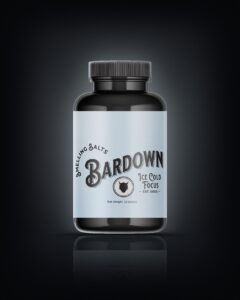
How to use smelling salts is three motions and then the work. What they are is ammonia, not a pre-workout. If you still want the bottle, it is here. The longer caution also lives on The Hit and the FAQ.
Questions people ask next
Are smelling salts safe?
They are generally tolerated when an adult holds the bottle 4–6 inches from the nose, takes one short breath, and caps it. They are not safe as a toy, a daily habit, or a treatment after a concussion.
What are smelling salts side effects?
The common ones are watery eyes, coughing, a burning nose, and a brief head rush. Overuse or holding the bottle too close can irritate or burn the airway. People with asthma or lung disease should stay away.
How often is it okay to use smelling salts?
Use them for the attempt that matters — a shift, a walkout, a third attempt — not between warm-up sets. Frequent hits dull the reflex and chew through a bottle.
Why did the NFL ban smelling salts?
The league moved to keep ammonia inhalants off sidelines because they can hide concussion signs and delay a proper exam. The ban is about assessment, not because the bottle is a controlled drug.